Posts

Unit 7 Resubmission

Image
Decay  Here is my decay video. I chose to capture a series of images showing ice melting. I took a series of 90 images to capture from the start where there are ice cubes to the end where there's nothing left to see. My video lasts a couple of minutes, which shows me experimenting with decay. One thing I would improve on this video is the camea angles, I did'nt use a tri-pod, which meant some images were at different angles, this can effect my video becuase the constant camera movment doesnt give my GIF the professional look/effect to it. However for my first attempt at this I feel my GIF is successful becuase it clearly shows the idea I was creating of melting ice and clearly shows the stages of ice melting. The only thing I would change about my GIF is I would of used a tri-pod to keep little camera movements as possible meaning my GIF looking more effective. Narrative Sequence Above is my final Narrative Sequence. The story I am tryi...

Unit 8 Website

Image

!Unit 6 3D Work

Image
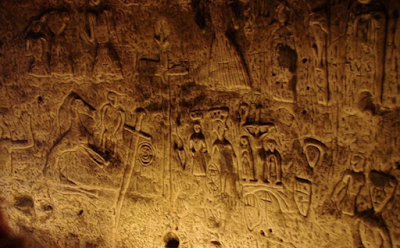
Context For Unit 6, as a class we have been asked to produce a 3D image. This could be anything from a 3D Dimension/model; to a 3D Image, something that comes off the page. For my idea I am going to create a 3D image and buy a pair of 3D glasses so my image will then come out the paper just like a 3D film, however in a still image. Using Photoshop I am going to edit my images of portraits, which I have taken in the set up studio at the back of my classroom. I took 3 images of Chloe and Jada. My images are full length body portraits because I feel they will be more effective when turing it into 3D.  The history of 3D art may have begun with the recognition of likenesses in natural objects for example trees, rocks and ivory, which were modified to enhance that likeness. This early interest in 3D can be seen even in the caves that were home to Upper Paleolithic Europeans. These hunter-gatherers painted stick figures and their abstract images of prey on cave walls, however fles...

Pinhole Lumen Analysis

Image
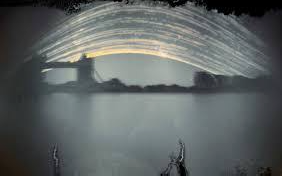
Pinhole Lumen Analysis Lumen Pinhole is a type of photography that is taking photographs without a camera, the word pinhole means capturing images without a digital camera its all about capturing the image through a small hole in either a box or a can and letting light for a certain amount of time through the pinhole will expose light to the photographic paper. Below are examples of what Lumen pinholes look like, these are examples from some photographers. For this project we were told to bring in an old can of drink for us to create our own pinhole lumen photography. The next step was to open the top of our can and pierce a needle size hold in the side of the can, we pierced the hole so light can be exposed to the paper I placed inside the can. I duck taped the top of the can so no light could enter and placed tape over the hole, which I didn't take off until I placed my can outside where it could capture the sunset and sunrise for three months. I placed my can outsid...

After Effects

After Effects  Above is my attempt of creating an after effect. I feel my attempt is successful, if I was to improve my work i would repeat the process a few more times. The first step we were given a photo that we imported into After Effects. The next step was then separating layers and made layers for each part of the photo. The plane, The shard and The sky. We then moved it the sky layer slightly to make it seem as if the sky was moving along with the plane, which I loved diagonally across the page. I had to make sure I had traced around the plane correctly otherwise you would see parts of the background around the plane meaning my after effect wouldn't look realistic as it passes past the shard. The final edits I made was creating the sky looking warmer creating it to have more vivid colours. One thing I found hard when creating my after effects was judging how fast and far everything should move so it didn't look unrealistic. Overall other than that I found creating...

Narrative Sequence

Image
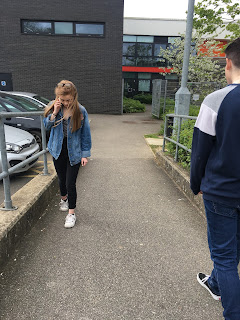
Narrative Sequence Narrative photography is the idea that photographs can be used to create a story. Narrative sequence is when a series of images are put together into a column and make a story. Images below are examples of narrative sequence.  Planning Shoot For my narrative sequence shoot I am going to use two people walking opposite ways through a corridor or down a path passing each other, one person being on the phone and the other person as they pass looks back at the girl/boy on the phone with confusion. I will capture my narrative sequence in black and white to help create a mysterious effect. My Narrative Sequence Below are my narrative sequences, I captured 6 images to then create a collage to show the story being told. I edited my images into Black and White in Photoshop just like the example above my images being black and white give my narrative a old fashioned, moody affect to my story unlike the collage thats in colour. I feel my narrative sequenc...

Justin Quinnell: Luman Pinholes

Image
Justin Quinnell Justin Quinnell is a master at making weird and wondrous pinhole images. He worked as the Pinhole consultant for the movie "The Brothers Bloom" and his cameras are featured in the film.  Justin realised his skill with pinhole photography when he was 4 years old and ended up having several operations of his eye and wearing an eye patch. It was after his degree, he was head of photography department at a non-too affluent area in Bristol. The pupils he taught couldn't afford buying digital high end cameras so they used several cans of coke and made cameras out of them. The thing about pin hole cameras that really fascinate Justin Quinnell is that there is no view finder and it clashes art and science together. He also likes the fact that its cheap, and its anti-commercial.

Man Ray Still Life

Image
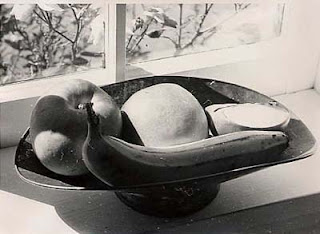
Man Ray Man Ray was an American visual artist who spent most of his career in France. He contributed to the Dada and Surrealist movements, however he ties to each were informal. Media was where he produced a majority of his work but still considered himself as a painter above al, Man Ray was best known for his photography, he also renowned fashion and portrait photography. He also creates well-known photograms which he called 'rayographs' in reference to himself.  For my still life project I am going to recreate photographs inspired by Man Ray. His work is very simple and creative. he uses a black and white filter with his images to help capture shadows and contrast. His still life images are photos of simple things like fruit bowls, glasses laying on a table, a man wearing a hat; objects we use everyday.

Sequence Of Movement

Image
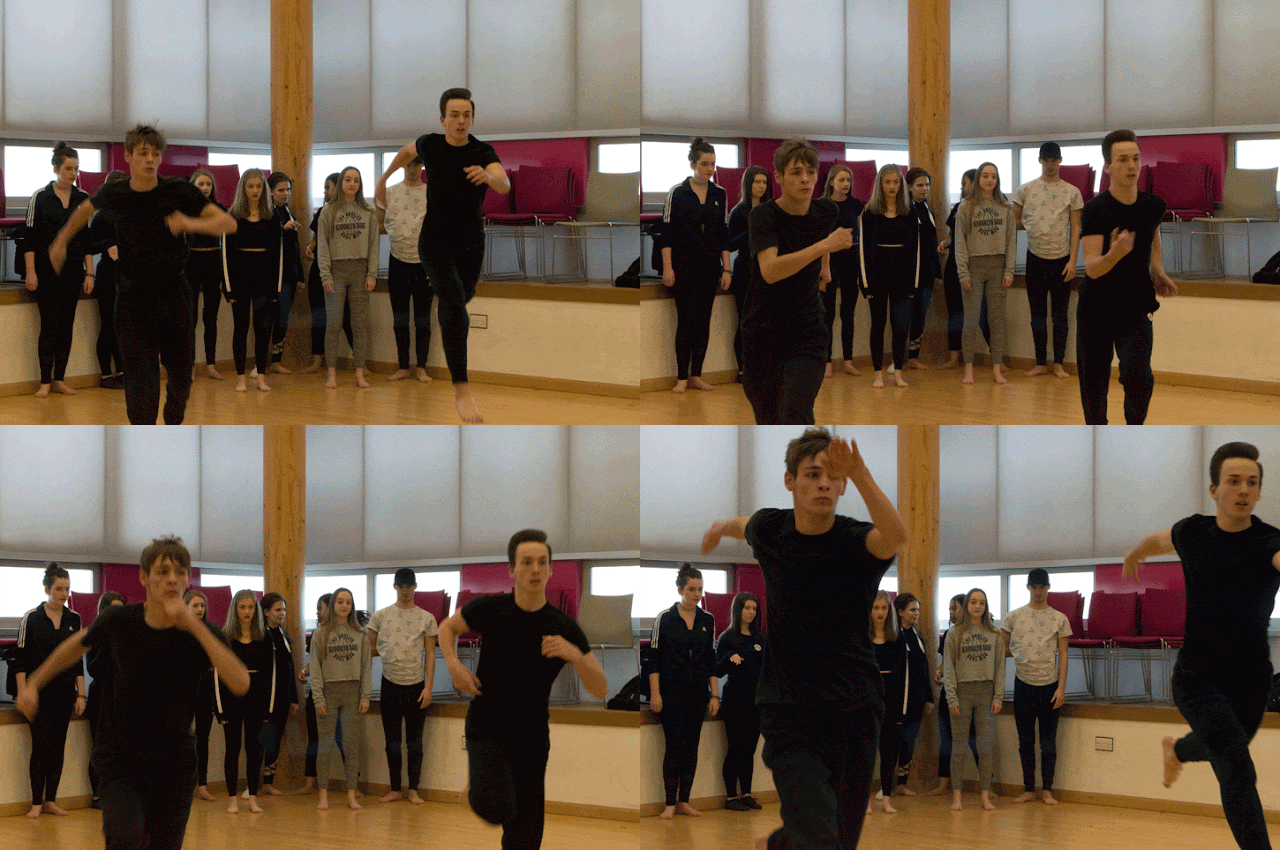
Sequence of Movement GIF On the 5th February Jade, Tom, Chloe and I went into the dance studio to capture a series of images to then create into a GIF. I used photoshop to upload my images as a stack and then using the timeline option I loaded my images and created my GIF. One thing that went wrong with this GIF, is the people in the background created my GIF looking crowed meaning most of the attention goes onto them instead of attention on the two boys dancing. I would improve my GIF by making sure the background isnt crowed and the main focus was on two main people dancing- this would mean the m main attention would go to the two boys instead of the others in the background. Overall I feel my GIF is successful, it works and you can see clear movement, I should of made the GIF longer so we see the end where they land from the jump. This would be something I improve if I was to make my GIF again.

Harold Edgerton: High Speed Images

Image
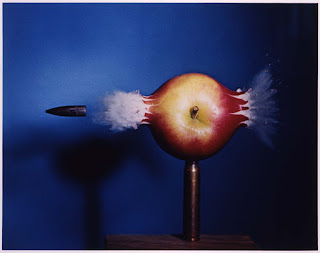
Harold Edgerton Harold Edgerton invented the electronic flash- which allowed him to capture things the human eye cannot see. Edgerton created a way to stop the world; for example a bullet through an apple; a footballers boot connecting with the ball; the crown-like splash created from a single drop of milk. He was the first man to invent electricity to freeze time to an instant. Edgerton's flash can burst light that lasts only 10 microseconds- 1/100,000th of a second - and replaced the mercury gas with xenon, which allowed the flash tubes to be smaller. It meant Harold Edgerton had a device that could freeze the fastest bullet. His image of the 'bullet through an apple' is shown below. On Wednesday 7th February as a class we went into the studio where we had set up equipment to capture our own images that are similar to Harold Edgerton's work. However we experimented with a bowl of water and a plum. The aim was to capture the plum being dropped into the water whe...

Unit 7-Time

Image
Unit 7- Time   Sam Taylor Johnson Sam Taylor-Johnson is a British filmmaker and photographer. In 2001, she produced a single screen project called "Still Life in Motion'. She used a 35mm film to record a bowl of fruit decaying and rotting overtime. The process she would of done to create this project, she would of captured a picture every 1 to 2 seconds of the fruit decaying each day until the fruit had completely decayed. In the corner of the film you can see a bic pen, the pen displays immortality. The pen cannot decay over time like the bowl of fruit can, the pen can only run out when its being used over a period of time. Eadweard Muybridge Eadweard Muybridge was an English photographer who was most known for his photographic studies of motion; for example one of his studies was if all four of a horse hooves left the ground whilst galloping. To prove his theory Eadweard set up multiply trip wires so overtime the horse tripped a wire a photo would ...